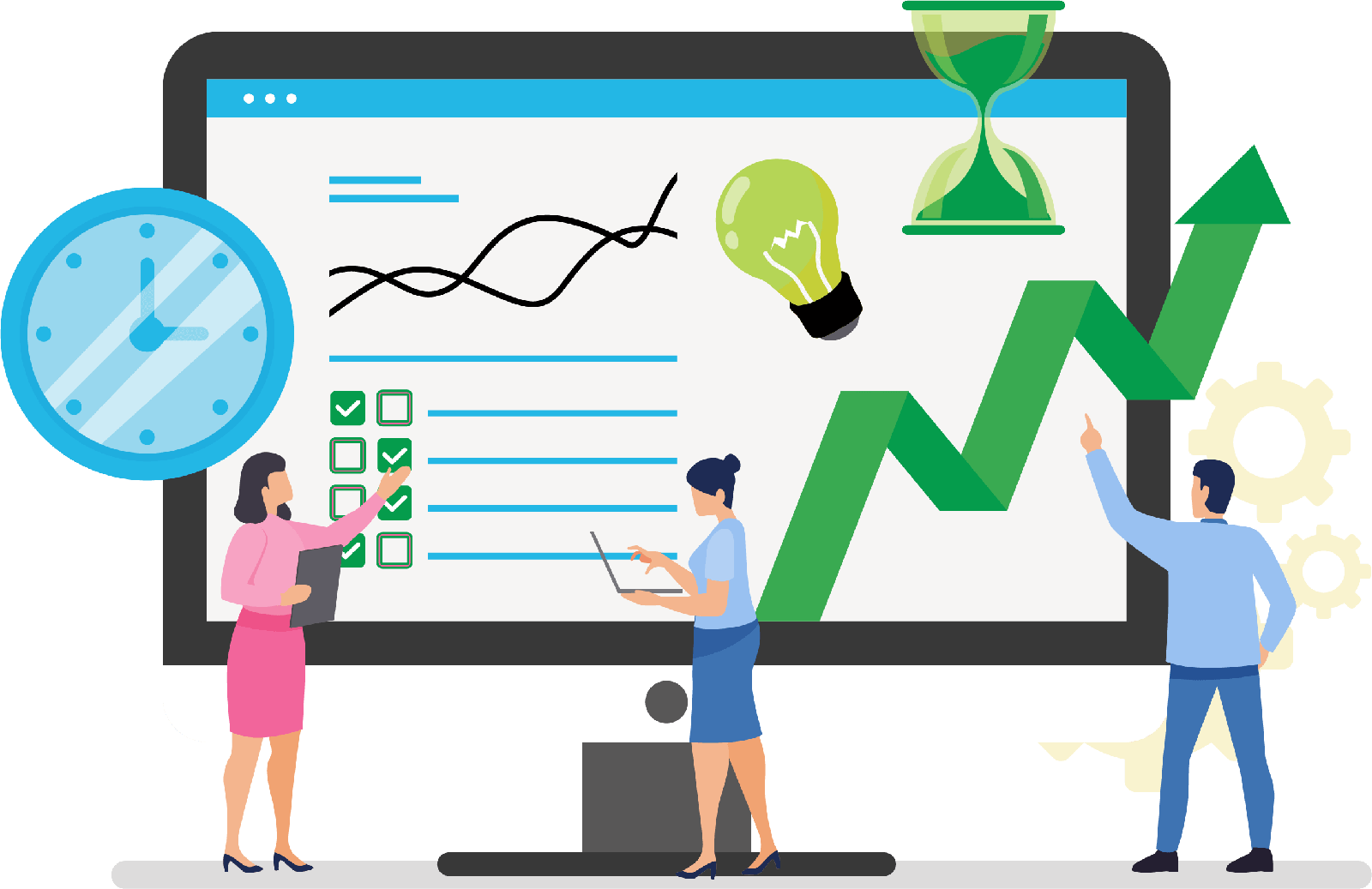
In today’s fast-paced business environment, managing employees efficiently is crucial. One of the most effective ways to achieve this is through smart workforce tracking solutions. These tools help businesses monitor productivity, track attendance, and manage work hours effectively, ensuring both accountability and efficiency.
This guide will explore the benefits, features, and types of workforce tracking tools for modern businesses, while integrating the most relevant keywords like tracking app for employees, work time tracking software, employee monitoring productivity software, and tracking working hours.
Why Businesses Need Workforce Tracking
Workforce tracking solutions help businesses:
Improve productivity: Monitor how employees spend their work hours.
Ensure accountability: Track tasks, attendance, and project timelines.
Simplify payroll: Accurate time logs make salary calculations precise.
Enhance decision-making: Generate insights on team performance and resource allocation.
With these benefits, implementing a tracking app for employees or a work time tracking software has become essential for businesses of all sizes.
Key Features of Workforce Tracking Solutions
When choosing a workforce tracking system, consider these core features:
1. Time & Attendance Tracking
Accurate tracking working hours for each employee
Automatic check-in/check-out via mobile app or desktop
Overtime calculation and leave management
2. Employee Productivity Monitoring
Track task completion and project progress
Analyze individual and team performance using employee monitoring productivity software
Identify areas for improvement and training
3. GPS & Location Tracking
Useful for field employees and remote teams
Real-time updates on employee location
Ensures transparency for off-site work
4. Integration with Payroll
Sync tracked hours with payroll software
Reduce manual errors and simplify salary processing
Works seamlessly with HR management tools
5. Reporting & Analytics
Generate reports on working hours, productivity, and attendance trends
Make data-driven decisions to optimize workforce performance
Types of Workforce Tracking Solutions
1. Tracking App for Employees
Mobile apps allow employees to log hours, check in/out, and report tasks from anywhere. Ideal for remote and field teams.
2. Work Time Tracking Software
Desktop or web-based tools monitor time spent on tasks and projects. Useful for office teams or hybrid work setups.
3. Employee Monitoring Productivity Software
Advanced solutions track productivity metrics, app usage, and task completion to ensure employees stay on track.
Benefits of Using Workforce Tracking
Boost Efficiency: Employees understand expectations and deadlines.
Reduce Payroll Errors: Automatic tracking ensures accurate salary calculation.
Improve Employee Accountability: Transparent tracking fosters responsibility.
Support Remote Work: Monitor productivity without constant supervision.
Data-Driven Insights: Analytics help optimize resources and improve processes.
Best Practices for Implementing Workforce Tracking
Choose the Right Software: Match features to your business needs.
Communicate Clearly with Employees: Transparency reduces resistance.
Combine with Productivity Tools: Integrate with project management and HR software.
Monitor, Don’t Micromanage: Focus on results, not just hours.
Regularly Review Reports: Use insights to improve efficiency and satisfaction.
Conclusion
Implementing a tracking app for employees, work time tracking software, or employee monitoring productivity software can transform how your business operates. By tracking working hours accurately and analyzing productivity, businesses can save time, reduce errors, and improve team performance.


Write a comment ...